Why HVAC Mold Cleaning Matters for Your Fort Worth Home
Understanding the Link Between Your HVAC System and Mold Growth
If you live in Fort Worth, you know the summers are long and humid. Your air conditioning runs for months straight, pulling moisture out of the air. But that same system can become a breeding ground for mold if it is not properly maintained. Mold in your HVAC system is not just a smell problem. It can spread mold spores throughout your house every time the fan kicks on. That is why regular HVAC mold cleaning is a serious part of keeping your indoor air quality safe.
How Mold Gets Into Your Ducts and Coils
Mold needs three things to grow: moisture, a food source, and the right temperature. Your HVAC system provides all three. The evaporator coils get cold, and when warm humid air passes over them, condensation forms. That water sits on the coils and in the drain pan. Dust and organic debris that collect on the coils act as food. The dark, cool environment inside the ductwork is perfect for mold colonies to establish. Once they do, every cycle of your air conditioning or heat sends mold spores into the rooms you occupy. A standard filter will catch some of it, but not the smallest spores. That is where professional intervention becomes necessary.
Many homeowners do not realize that visible mold on a vent cover or a musty smell coming from a register is usually just the tip of the problem. The real growth is often deeper inside the air handler or the main supply ducts. An HVAC technician with experience in mold remediation can inspect those areas that you cannot reach with a household cleaner. They use tools like a borescope to look inside the ductwork. If they find growth, the next step is a thorough duct cleaning combined with targeted HVAC mold cleaning procedures that address the source.
Why DIY Methods Usually Fall Short
It can be tempting to spray some bleach or a store-bought antimicrobial spray into the return vent and call it done. But that approach is rarely effective and can sometimes make things worse. Bleach is too harsh for the thin metal and plastic components inside your system, and its fumes can be harmful to breathe in an enclosed space. More importantly, bleach does not penetrate porous surfaces where mold roots may be growing. The mold will simply grow back within weeks.
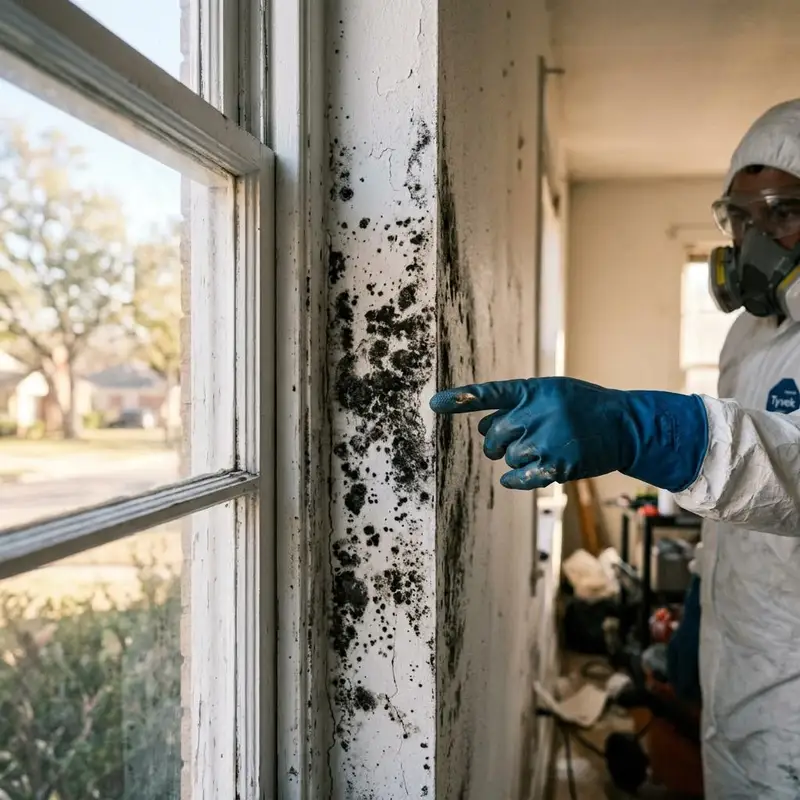
Professional remediation uses methods that are both thorough and safe for your equipment. A qualified team will often use a HEPA vacuum to capture loose spores from the interior surfaces before applying any cleaning agents. This prevents the mold from being disturbed and spread further into the system. They also use an air scrubber with a HEPA filter to keep the air in the work area clean during the process. These steps are not something you can replicate with household tools. The combination of a HEPA vacuum, an air scrubber, and an antimicrobial spray that is specifically formulated for HVAC systems gives a far better result than any DIY attempt.
The Role of Moisture Control in Prevention
Cleaning the mold out of your ducts is only half the battle. If you do not fix the moisture problem, the mold will return. The most common cause of recurring mold in an HVAC system is a condensation issue. This can happen when the drain line is clogged, when the system is oversized and short-cycles, or when the insulation around the ducts is damaged. A good HVAC technician will check all of these things during a service call. They may recommend installing a dehumidifier in the crawl space or basement if that is where the air handler sits. Controlling moisture at the source is the only way to make the cleaning last.
I have seen homes where the duct insulation was torn and the cold metal was sweating inside the wall cavity. That constant moisture fed a mold problem that affected the entire house. The homeowners had tried to clean the visible mold themselves, but the growth kept coming back because the root cause was never addressed. Once a professional team fixed the insulation and cleaned the ducts using proper HVAC mold cleaning techniques, the problem stopped. The difference was not just in the equipment used but in the approach: treat the moisture first, then clean the system.
What a Professional HVAC Mold Cleaning Process Looks Like
When you hire a company that specializes in mold removal and moisture control, they follow a process that is grounded in industry standards. The first step is a thorough inspection. They look at the coils, the drain pan, the filter slots, and the ductwork. If mold is found, they seal off the vents to prevent spores from escaping into your living space. Then they use a HEPA vacuum to remove loose debris and spores from every accessible surface. This is followed by the application of an EPA-registered antimicrobial spray that kills the remaining mold and helps prevent regrowth.
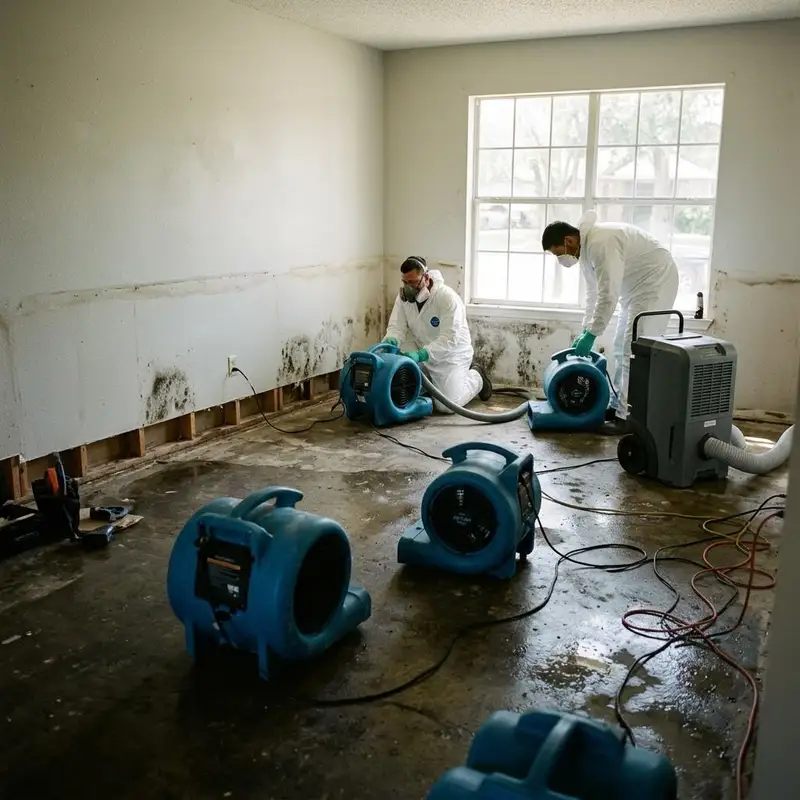
After the chemical treatment, they may run an air scrubber for several hours to capture any airborne spores that were dislodged during the cleaning. Some companies also use a fogging machine to treat the entire duct system with a fine mist of antimicrobial solution. This can reach areas that brushes and vacuums cannot. Finally, they replace the air filter and check the system for proper operation. A good company will also document the before and after conditions so you can see the improvement.
When to Schedule This Service
There are a few clear signs that your HVAC system needs attention. If you smell a musty or earthy odor when the air comes on, that is a strong indicator. If anyone in your home has unexplained allergy symptoms, especially when the system is running, mold could be the culprit. Visible black or green growth on the vents or around the drip pan is another clear sign. I recommend having your system inspected at least once a year, ideally in the spring before the heavy cooling season starts. In Fort Worth, where humidity is high for much of the year, twice a year is not excessive.
Long-Term Maintenance for a Healthy System
Once you have had the system professionally cleaned, you can keep it that way with some simple habits. Change your air filter every one to three months, depending on the filter type and how much you run the system. Keep the area around the indoor unit clean and dry. Make sure the condensation drain line is clear. If you have a dehumidifier, run it during the most humid months to take some of the load off your air conditioning. These small steps reduce the conditions that allow mold to grow in the first place. They also improve your overall indoor air quality and can extend the life of your HVAC equipment.
I recall a job where a family had persistent respiratory issues that cleared up within a week after a proper HVAC mold cleaning and duct cleaning were performed. Their system had not been serviced in years, and the mold growth inside the air handler was substantial. The combination of a HEPA vacuum, an air scrubber, and an antimicrobial treatment made a real difference. They also started using a dehumidifier in the garage where the air handler was located, which kept the humidity down. That simple change prevented the problem from returning. It is a practical example of how combining cleaning with moisture control gives the best outcome.
Choosing the Right Help in Fort Worth
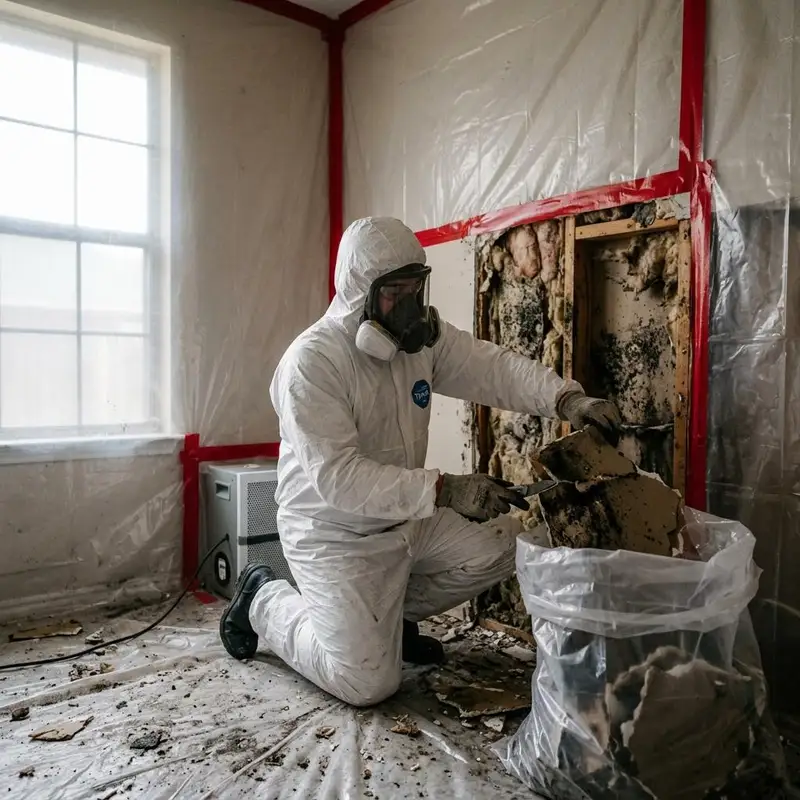
If you decide to hire a professional, look for a company that has specific experience with HVAC mold and mold remediation. General HVAC technicians may not have the training or the equipment to handle a mold problem properly. Ask whether they use a HEPA vacuum and an air scrubber. Ask if they apply an EPA-registered antimicrobial spray. A company like Copper Mold, which focuses on mold inspection and remediation, will have the right tools and knowledge. They understand the unique climate challenges in Fort Worth and how to address them. The goal is not just to clean the ducts but to create a system that stays clean over time.
Your HVAC system is the lungs of your home. Keeping it free of mold is essential for your comfort and your health. Whether you are dealing with a current problem or trying to prevent one, understanding the process of HVAC mold cleaning helps you make informed decisions. It is not a glamorous topic, but it is one that matters every time you turn on the air conditioning or the heat. A little attention now can save you from a much bigger headache later.